
Plitvice Lakes
- About
About Plitvice Lakes
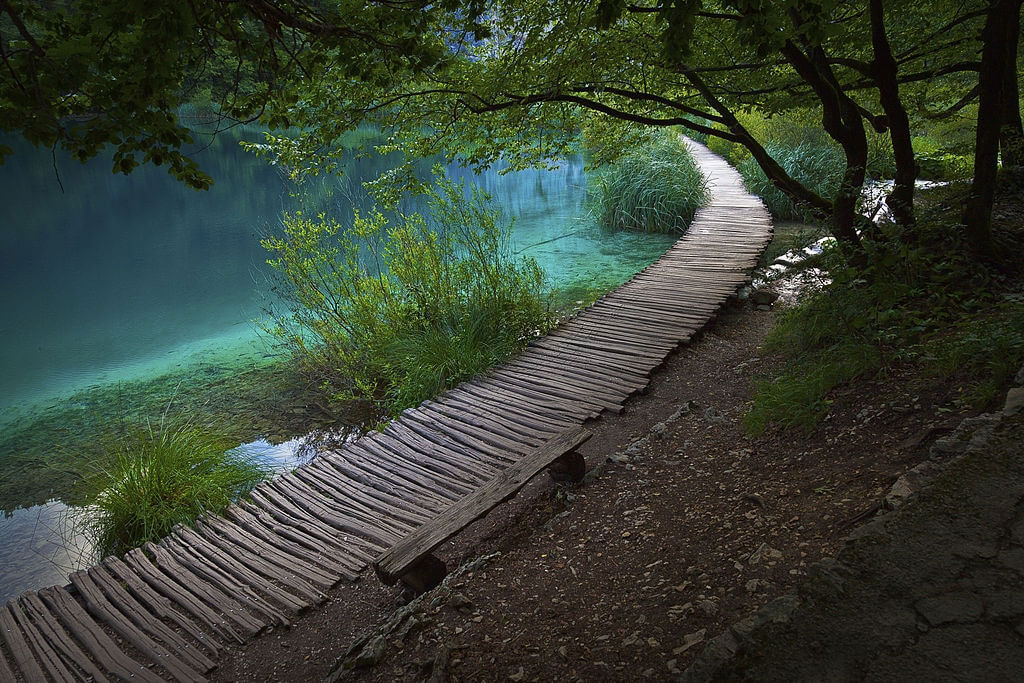
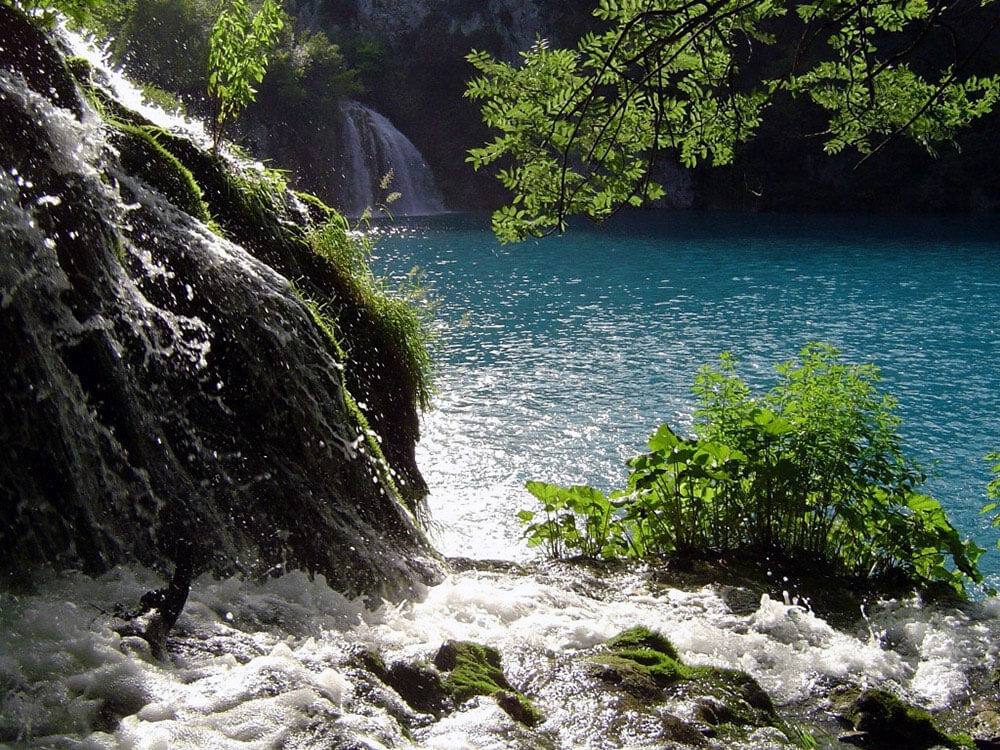
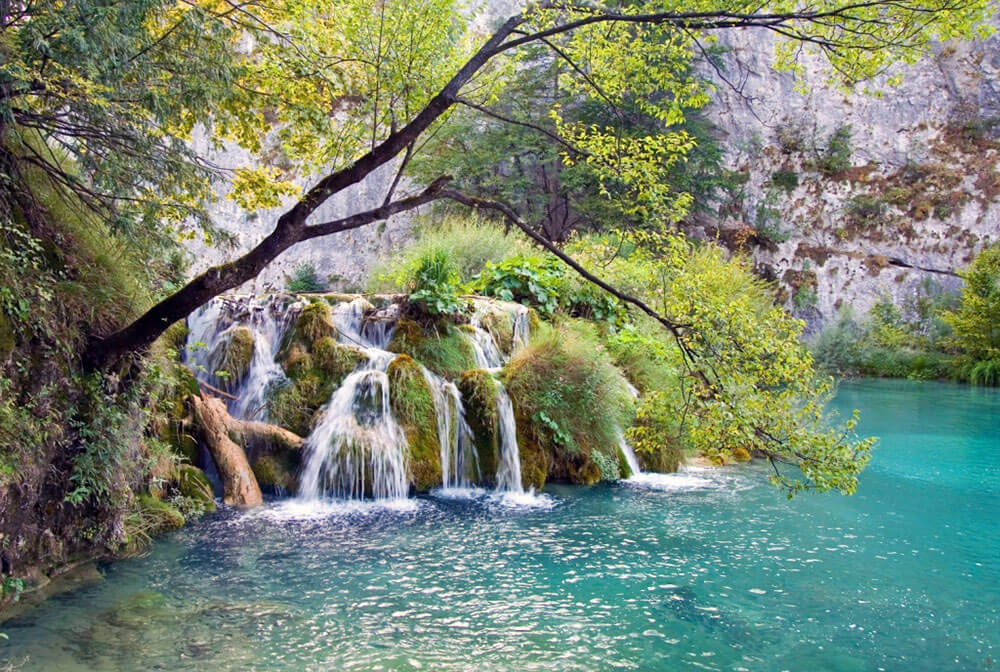
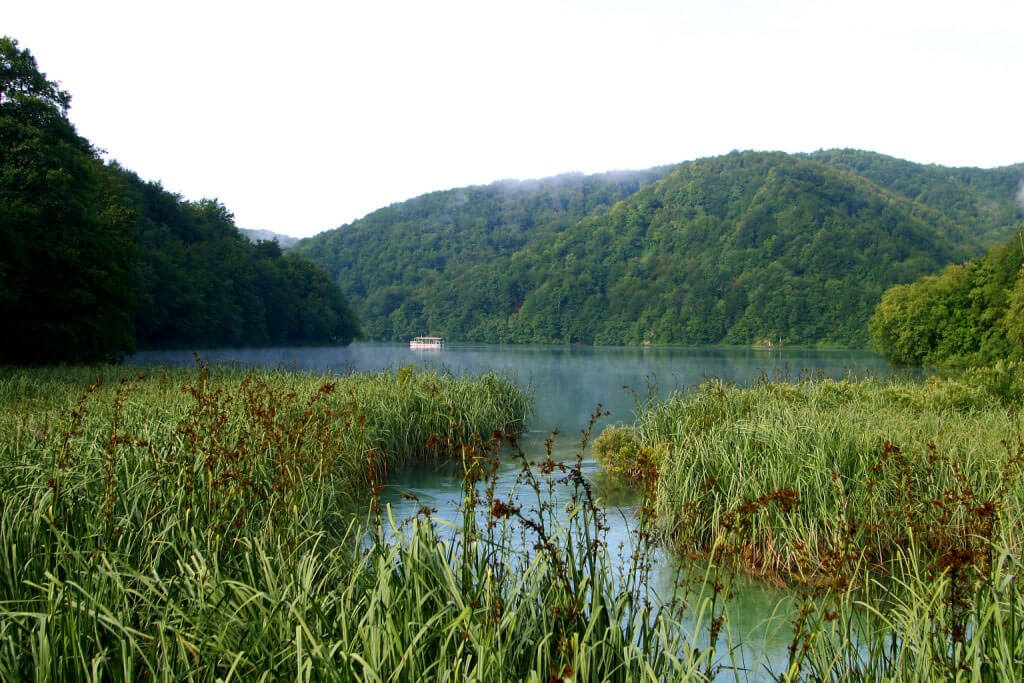
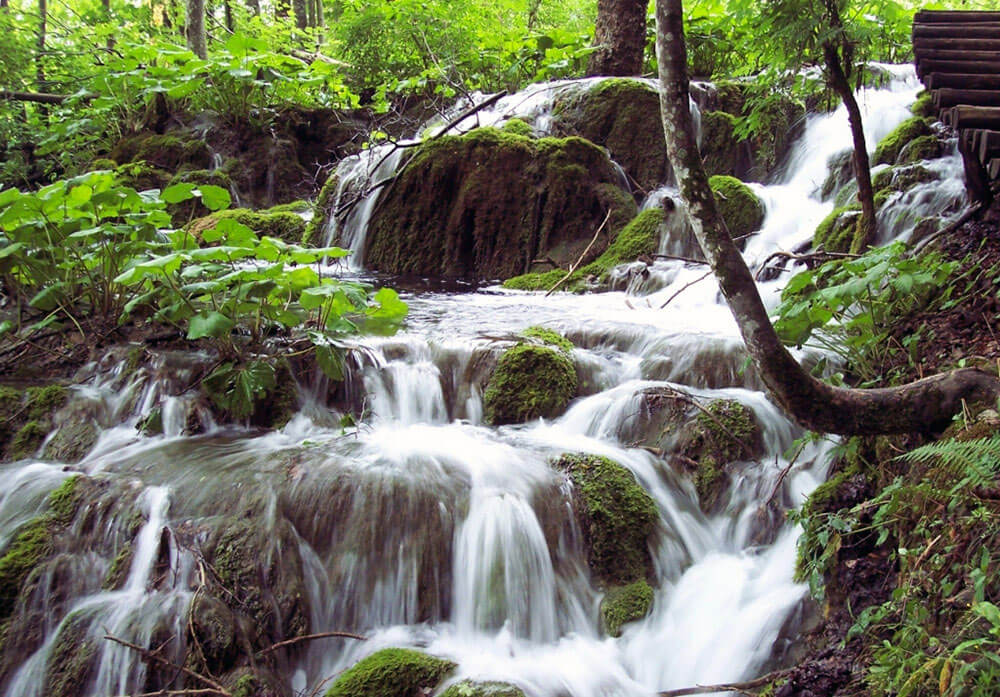
Plitvice Lakes National Park is Croatia’s most visited natural wonder and its oldest national park (since 1949). Its majestic waterfalls, lakes, and forests have earned it a place on the UNESCO register ofworld natural heritage sites and made it Croatia’s second biggest tourist attraction after the Adriatic coast and islands.
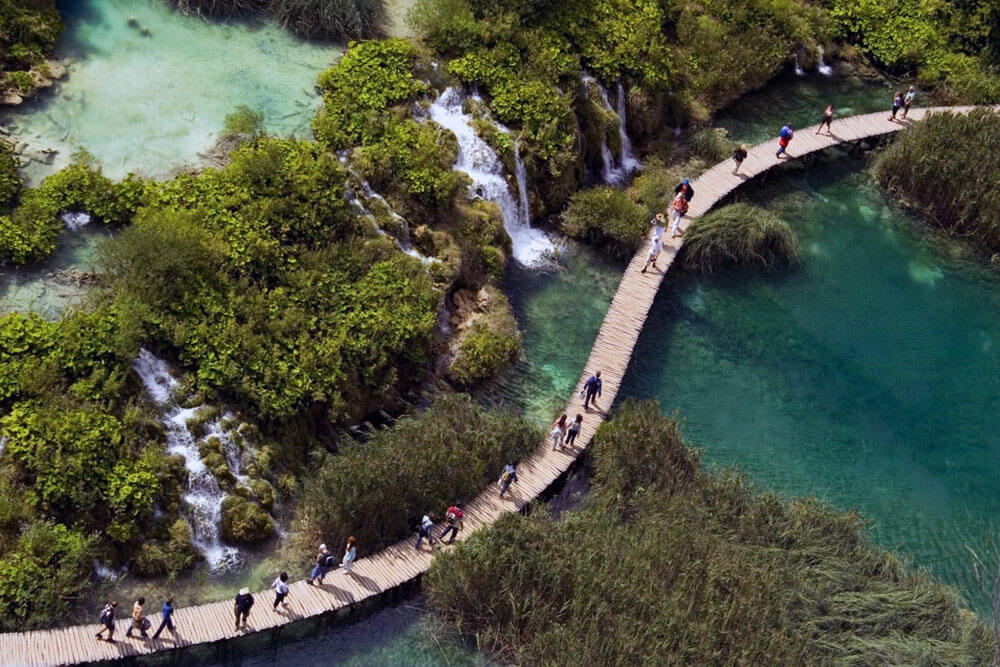
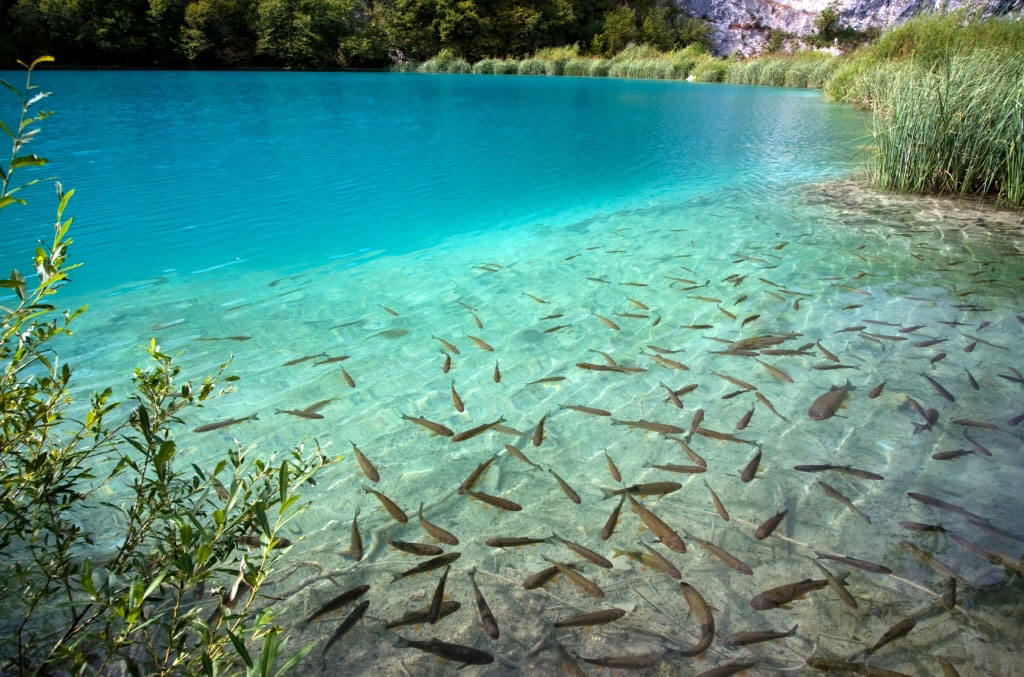
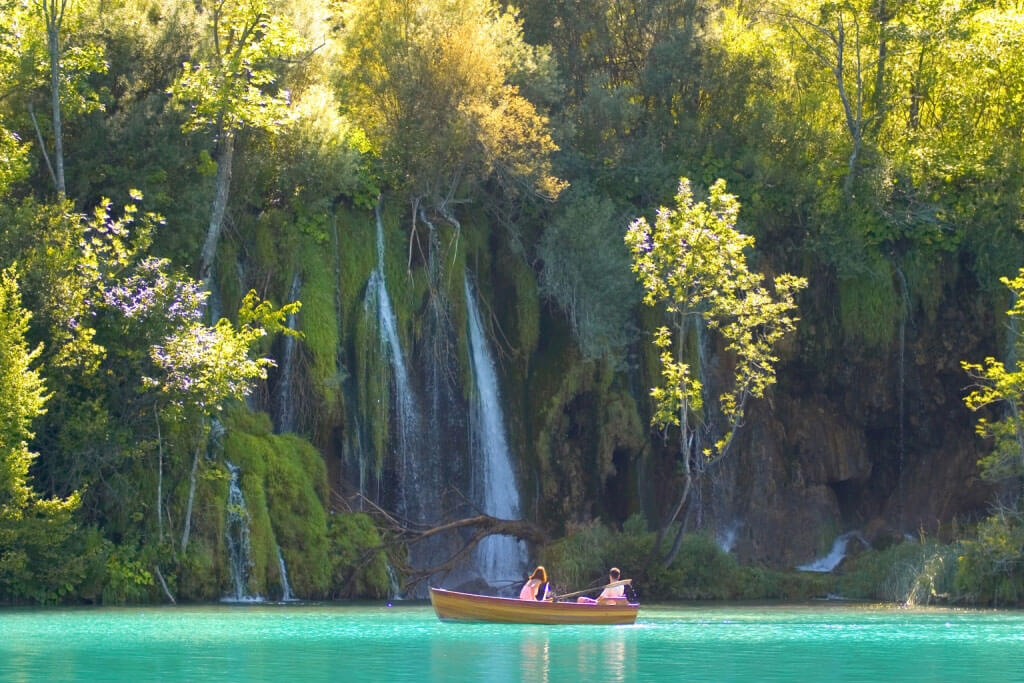
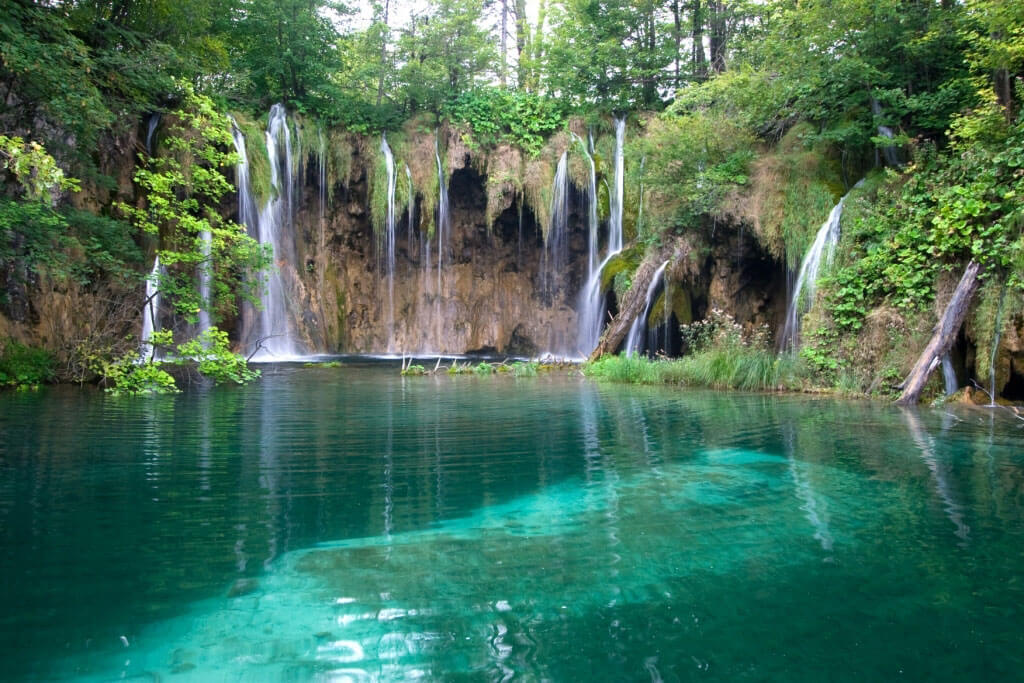
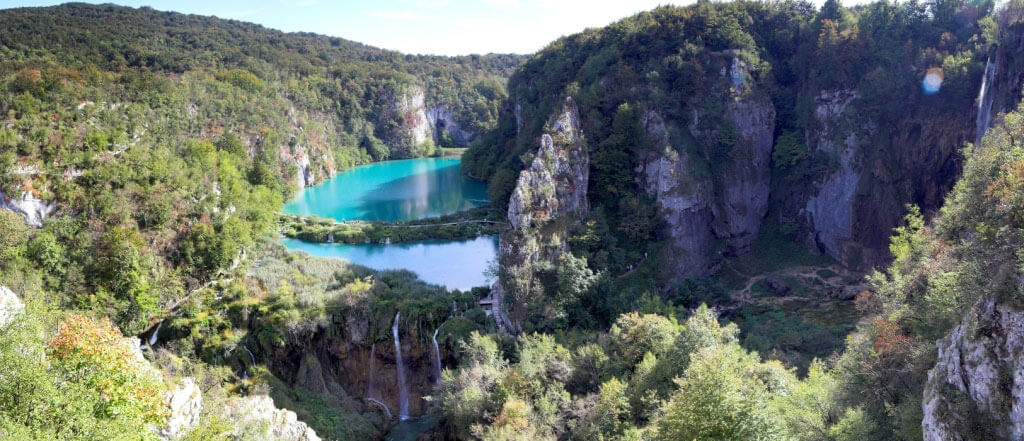
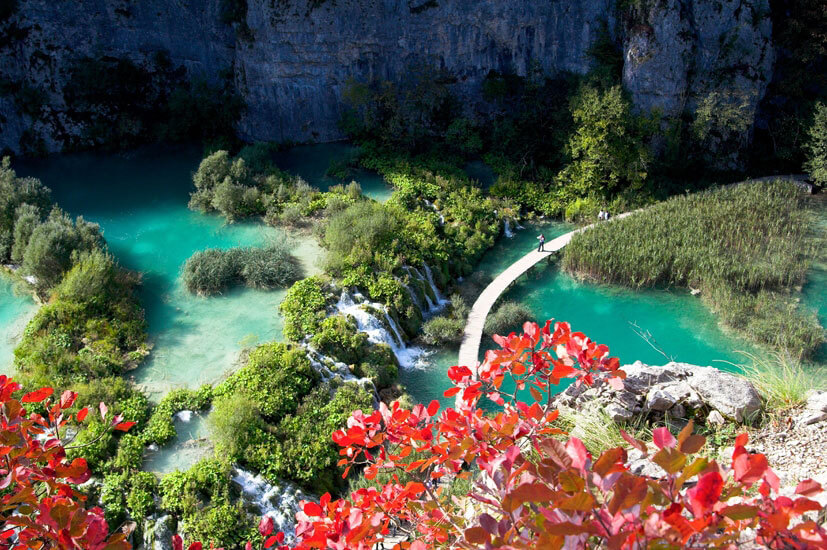
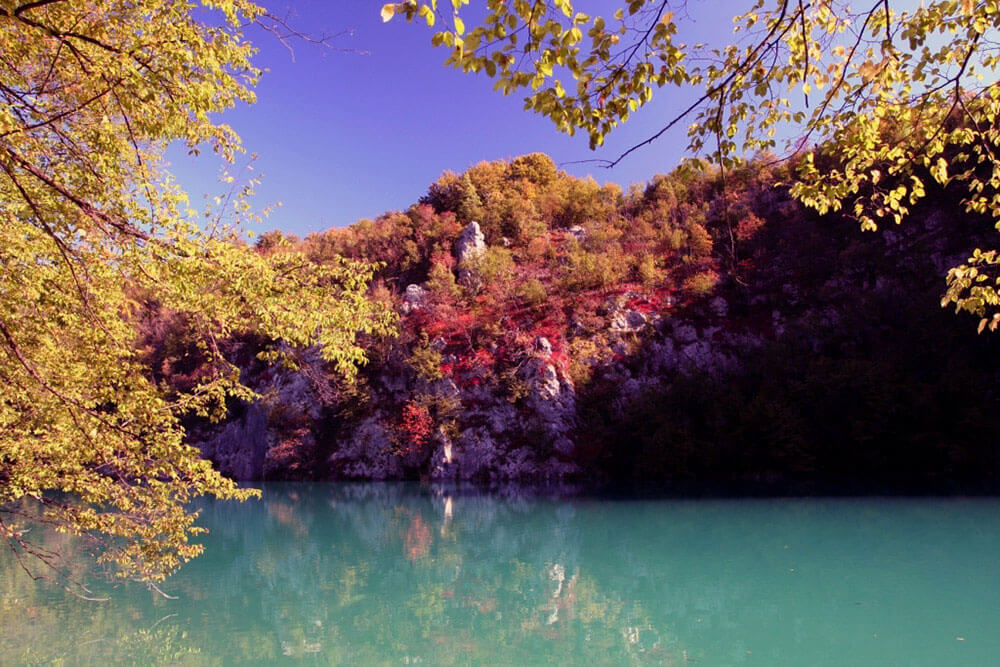
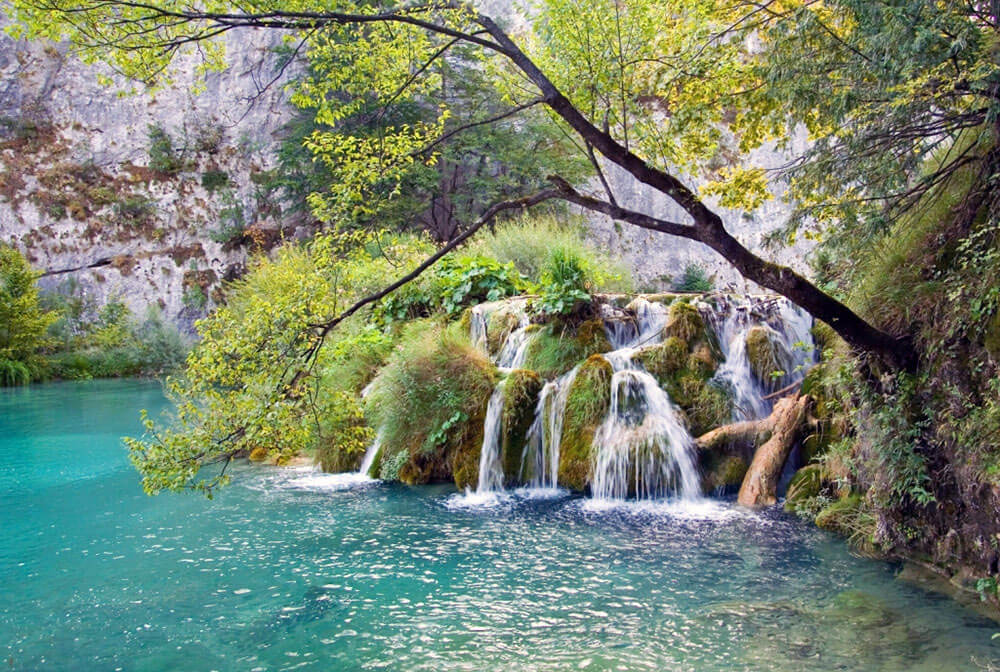
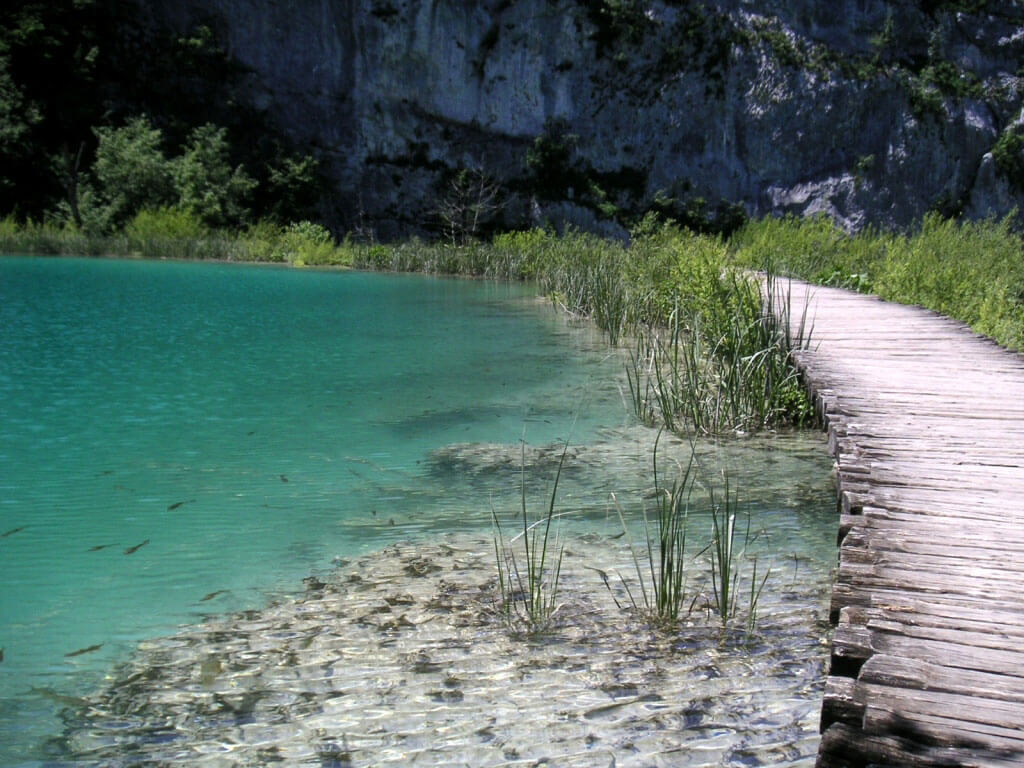
The park’s most compelling features are the waterfalls that connect its 16 turquoise lakes, which are set in dense forests of beech, fir, spruce, and soaring rock formations. The water is crystal-clear thanks to deposits of travertine (powdery white limestone rock) under the water.
Note that swimming is forbidden, as is walking on the travertine.
The park is also rich with caves, springs, flowering meadows, the source of the River Korana (a gorge that looks like a green branch of the Grand Canyon), and several animal species including deer, wolves, wild boar, and the increasingly rare brown bear.