
Zagreb
- About
About Zagreb
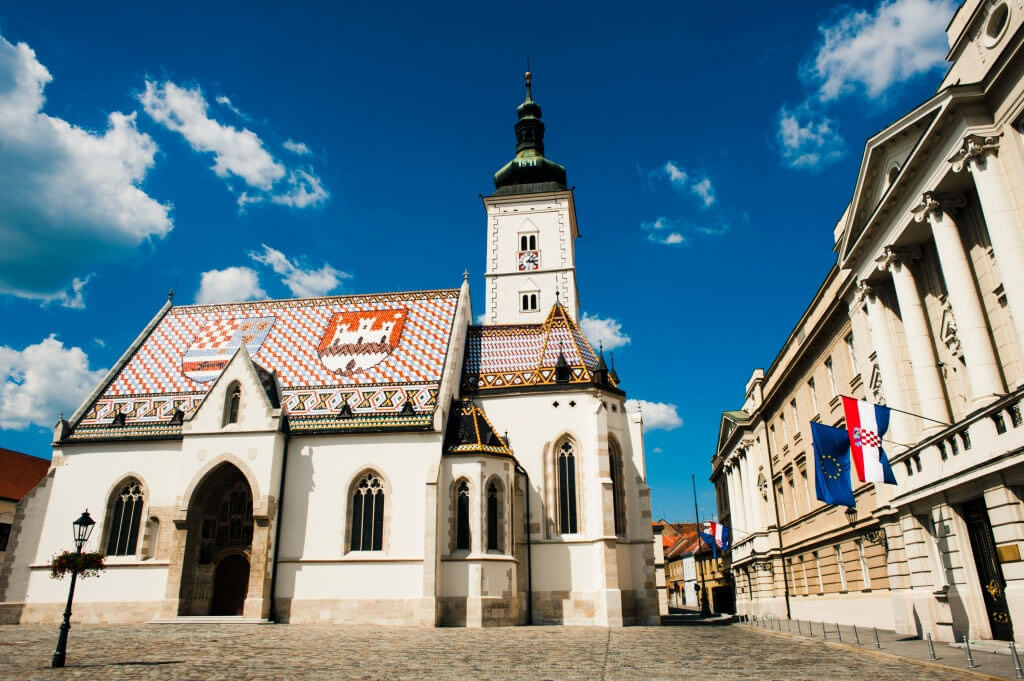
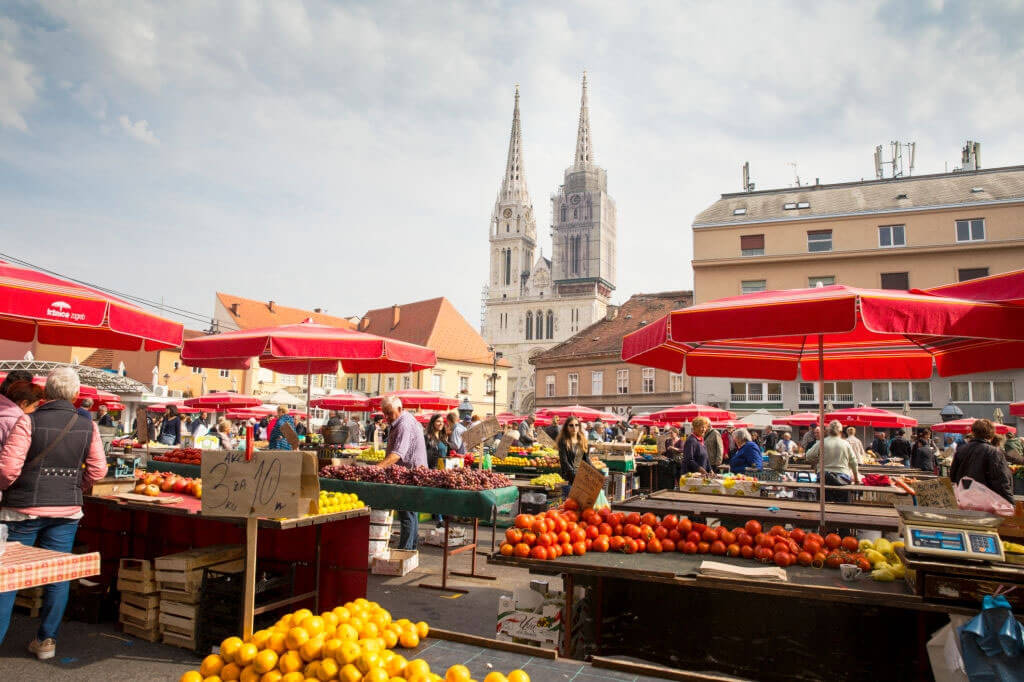
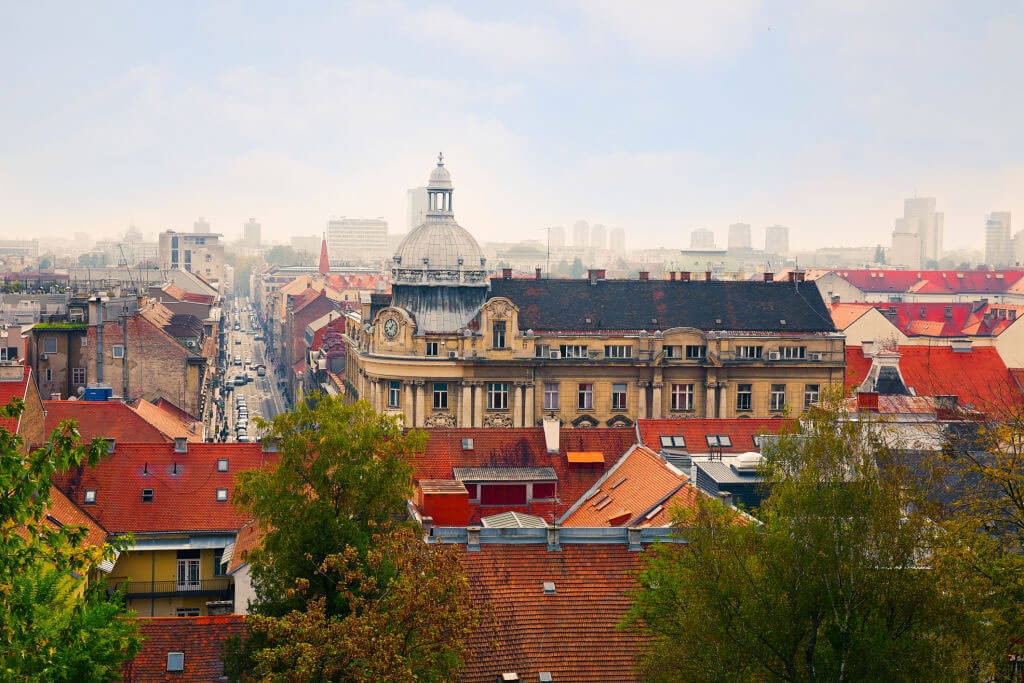
Zagreb is the capital of Croatia, a vibrant city with just under 800 thousand inhabitants. It is the administrative, commercial, diplomatic and cultural centre of the state. It’s also the university centre with approximately forty institutions of high and higher education attended by more than 40 000 students. Zagreb has about 50 museums, galleries and private arts collections, as well as more than 20 theatre and concert venues.
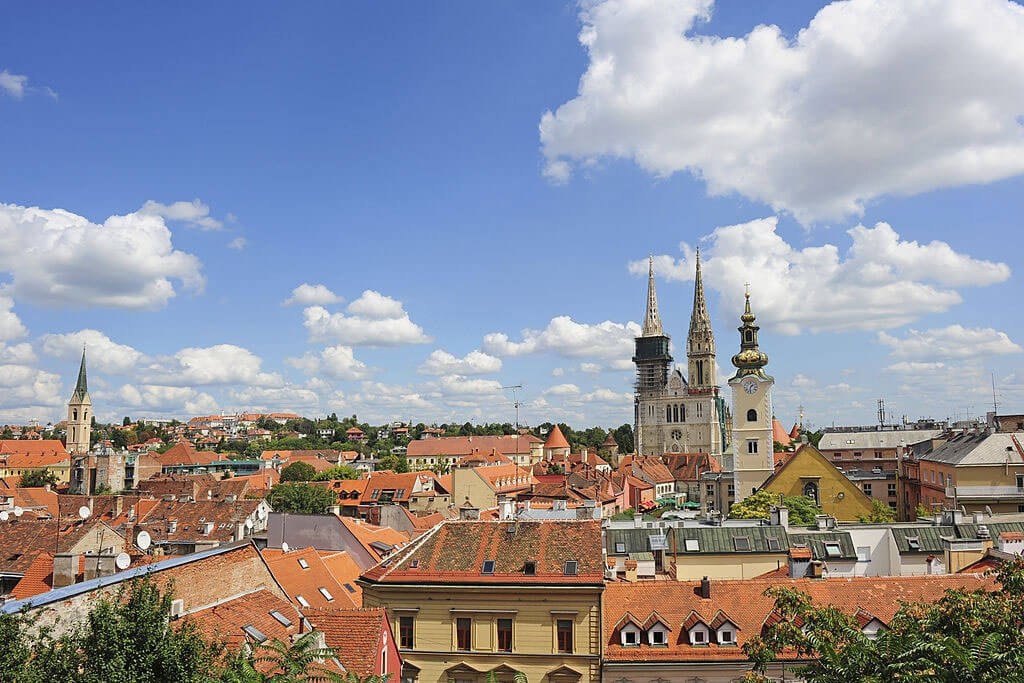
The city’s history is long and dates as far back as 1094 when a diocese was founded here. Zagreb was bestowed the title of a free royal town in 1242, and has since spread to both banks of the river Sava. To the north, it leans against Medvednica mountain with its highest peak Sljeme being the favorite weekend spot for the citizens of Zagreb.
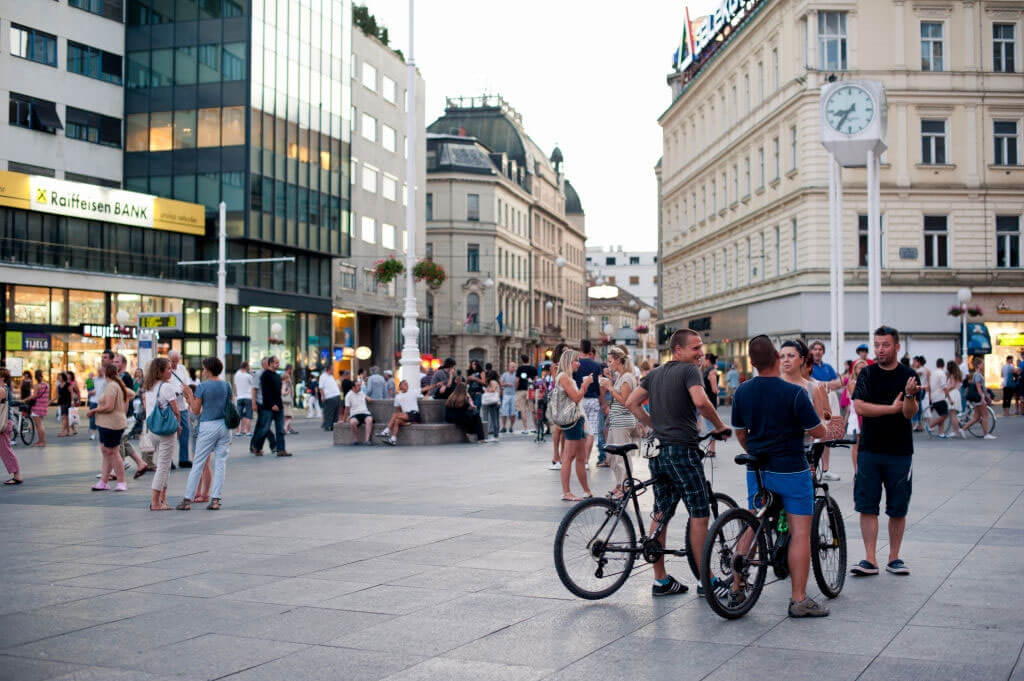
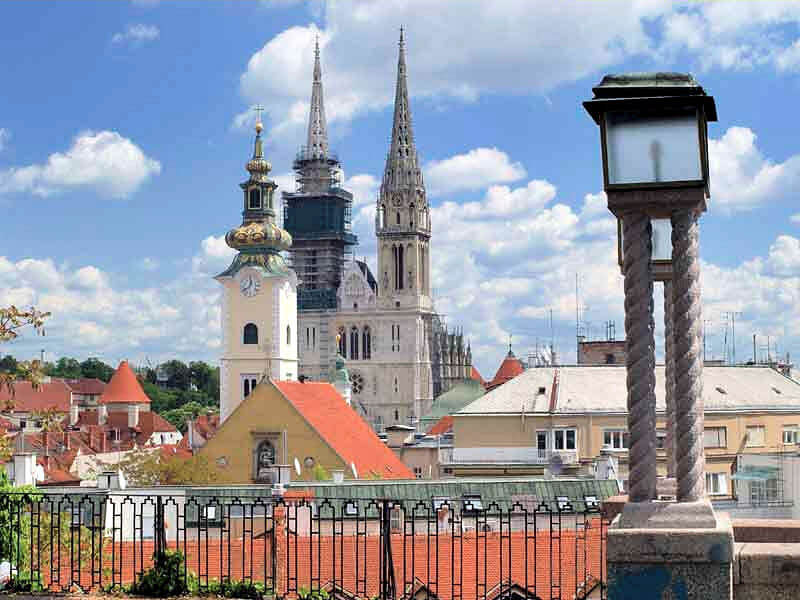
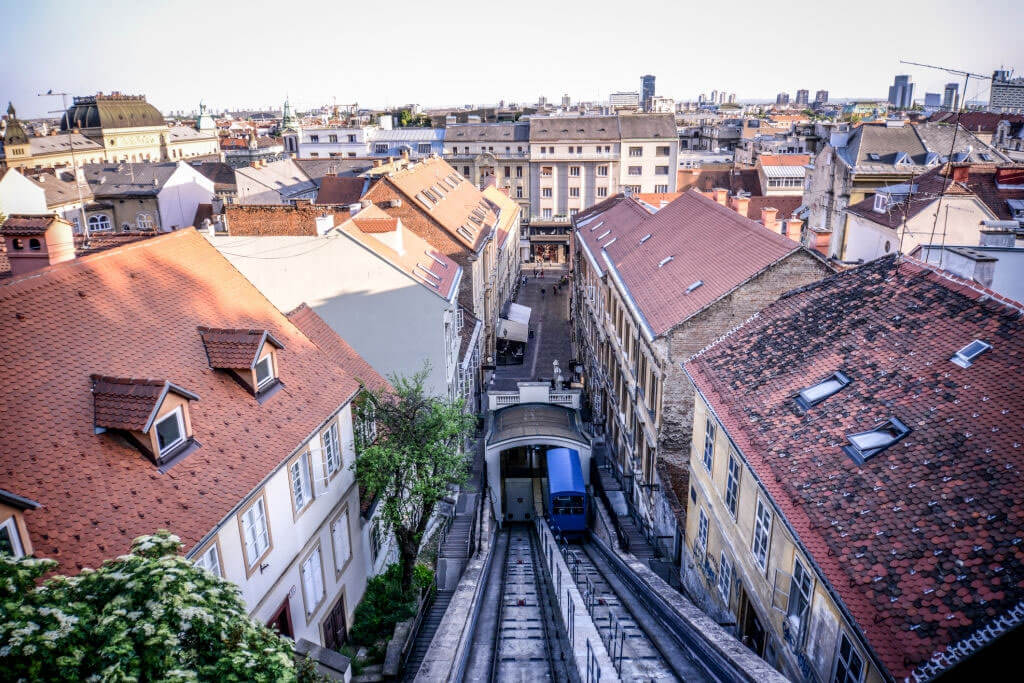
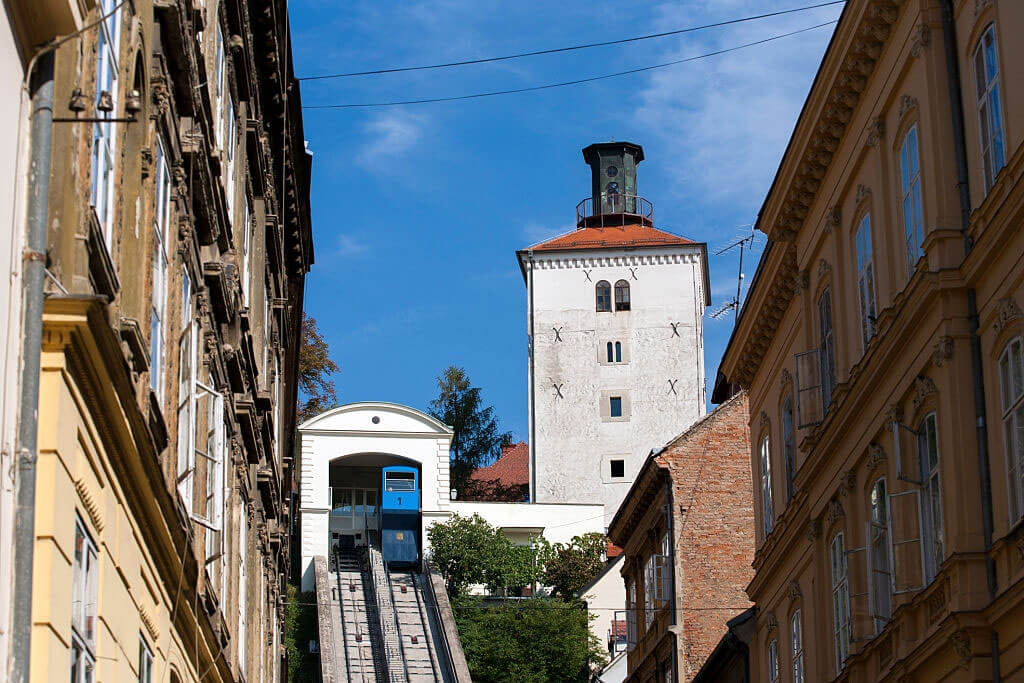
Trg bana Jelačića is Zagreb’s main square, dominated by a statue of Ban Josip Jelačić seated on a proud horse. The space “under the tail” of the monument is a popular rendezvous spot. The area north of the Trg includes Gornji Grad (Upper Town) and its Gradec and Kaptol neighborhoods, which are perhaps Zagreb’s most picturesque areas. At night, Zagreb’s Gradec neighborhood glows under the light of gas lamps. In the summertime, all 267 of the street fixtures are individually lighted by a traditional lamp lighter.
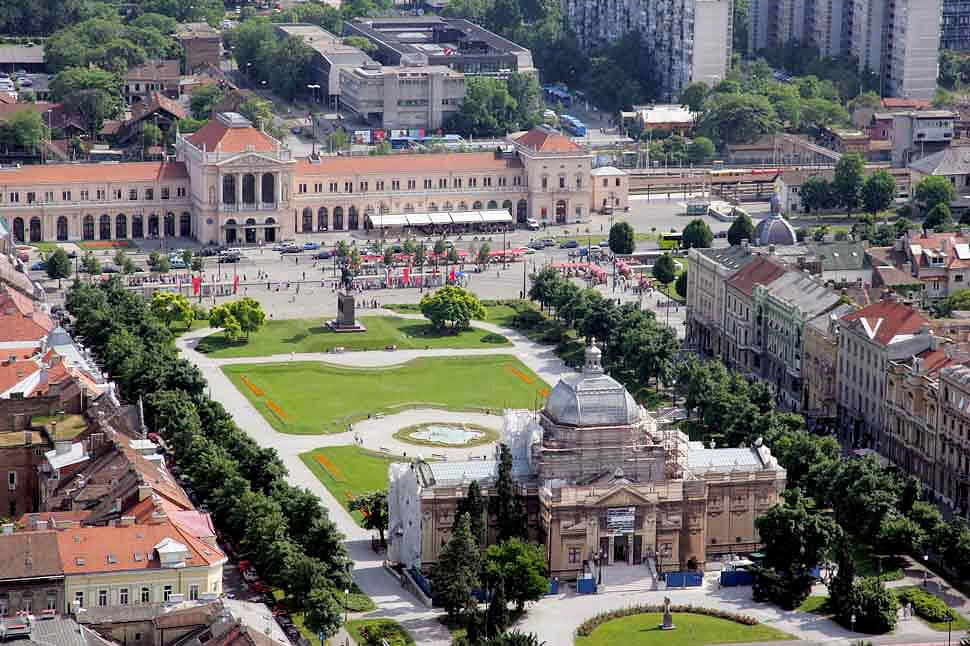
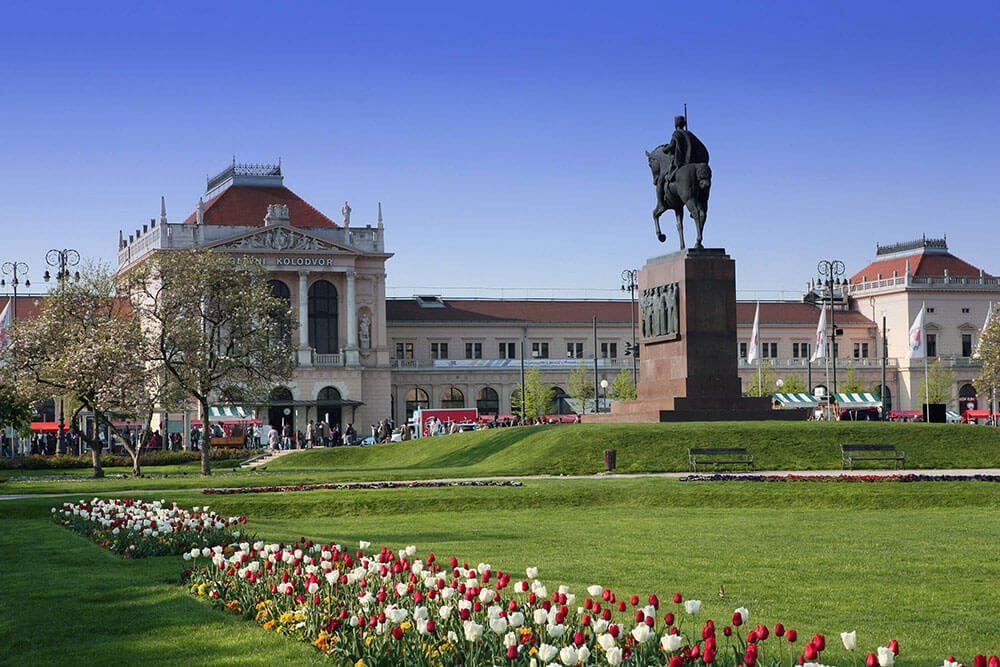
Donji Grad (Lower Town) is south of Gradec; it begins at Trg bana Jelačića and includes Ilica Street, where designer shops are increasing in number every day. It ends at the main train station to the south. Draškovićeva Street is Donji Grad’s eastern border, and Republika Austrija Street the western border. In the middle of this section of the city, a U-shaped series of adjacent parks runs roughly from the main square to the main train station, from there to the western end of the Botanical Gardens, then north to the end of Trg Marsala Tita. Known as the “Green Horseshoe” or Lenuci’s Horseshoe, the public green spaces are dotted with galleries, museums, and schools.
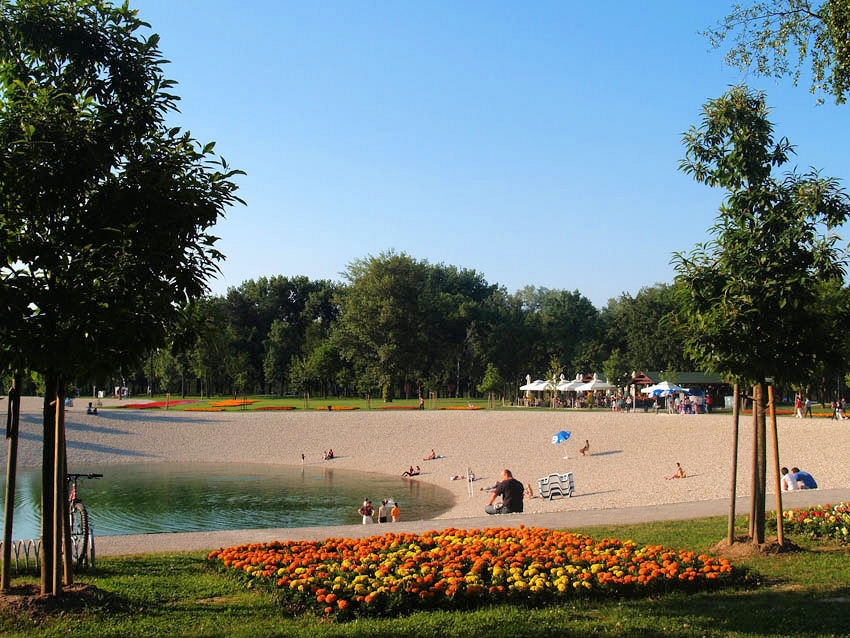
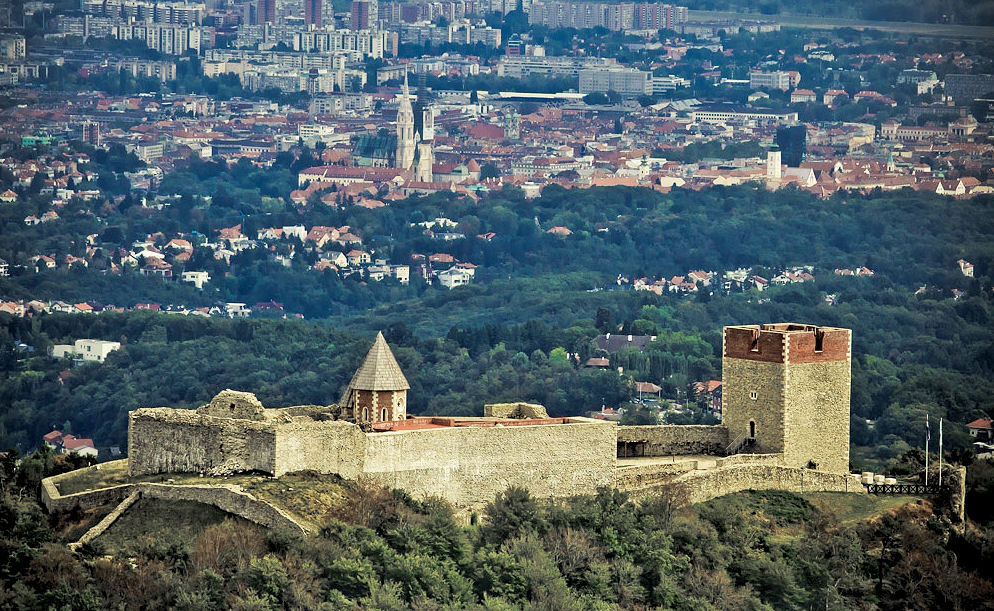
Mount Medvednica Nature Park and its highest peak Sljeme north of town can be accessed from the main square by taking the tram No. 14 to the end of the line, and then tram No. 15 to its terminus. Mirogoj Cemetery is also north of the center and can be reached via the No. 106 bus from the cathedral. Novi Zagreb (New City) is an area of apartment buildings and shopping centres south of the Sava. Maksimir Park is an elegant wooded zone east of the center, with five lakes, the city zoo, the Swiss house, Echoes Pavillion and the observation post. It can be reached via trams 4, 7, 11, and 12. Lake Jarun, also known as Zagreb Sea, is in the southwest part of the city. It’s a popular recreation area where people go swimming, sailing, rowing, sunbathing and cycling, or clubbing in popular bars.